Animations
Early simple animations:
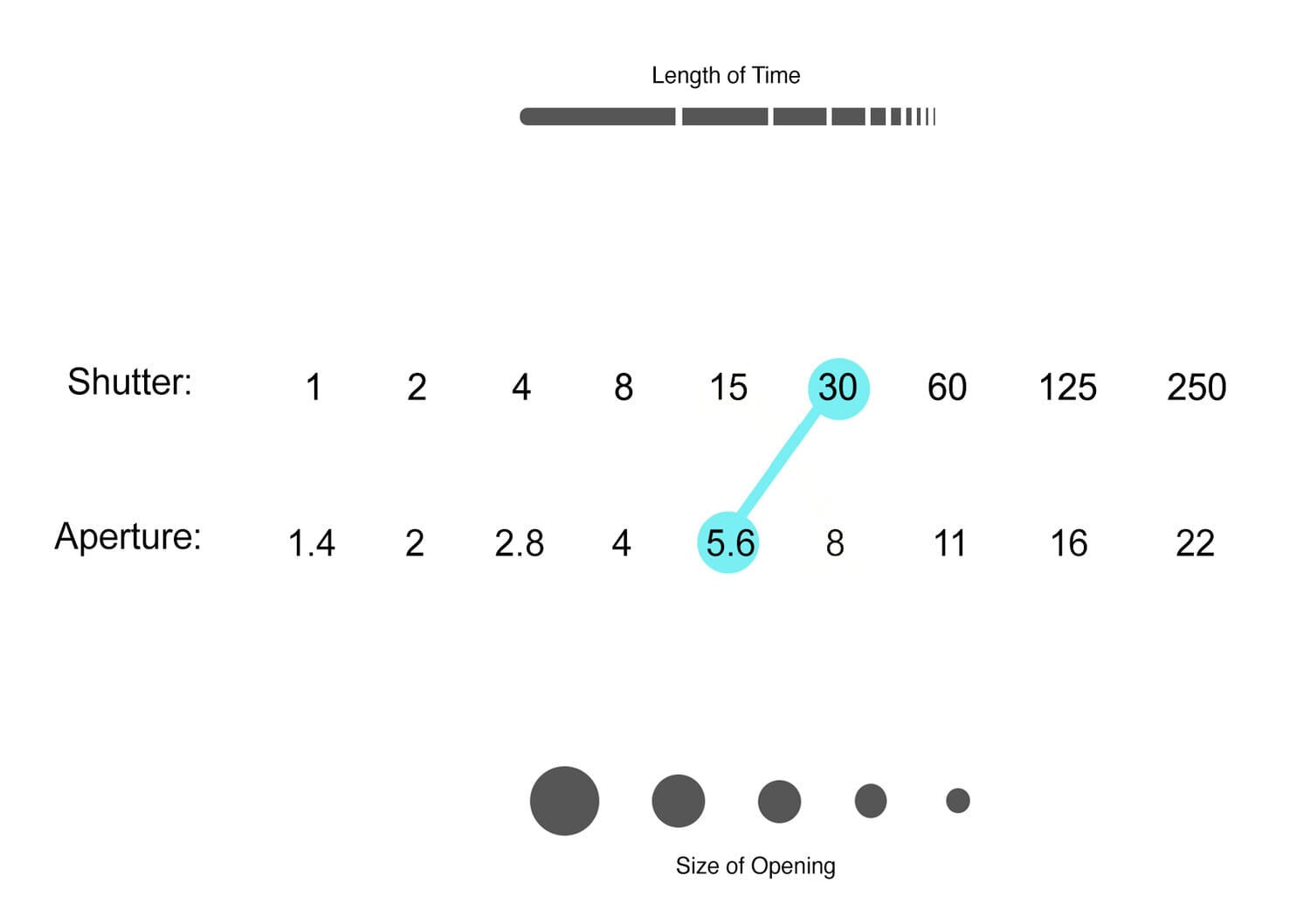
1). Aperture/shutter relationships, which you've already done this one for the most part:
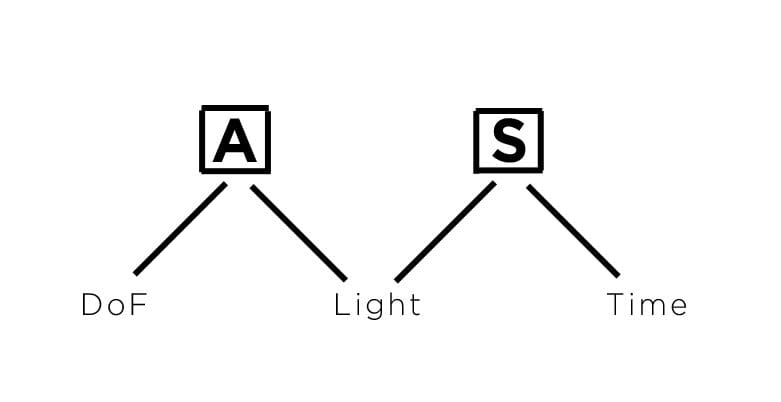
2) The pendulum model, whereby your "priorities" swing from pairing Light with Time to pairing Light with DoF.
I can easily imagine it just swinging from right to left, however I think in the long run I'd rather it be more of a slideshow that starts with this image and then you remove the lines and then one at a time yoe connect a line between S and Time, and explain, why, then connect a line between A and Light, and explain why.....and then remove the lines again and connect the A to DoF and explain why, and connect the S to the Light and explain why. :
Then for exploring Light, Space, and Time each individually, here are a few animations we'll need for starters:
Time:
1). First I'll need a basic diagram that explains what a time differential is. The idea that it isn't always "movement," more that it's "something changing relationship with your frame."
I originally show a sink faucet to describe this, or a spinning top "children's toy" from a perfect bird's eye view. Not sure these actually need animation, I can imagine a diagram will be sufficient.
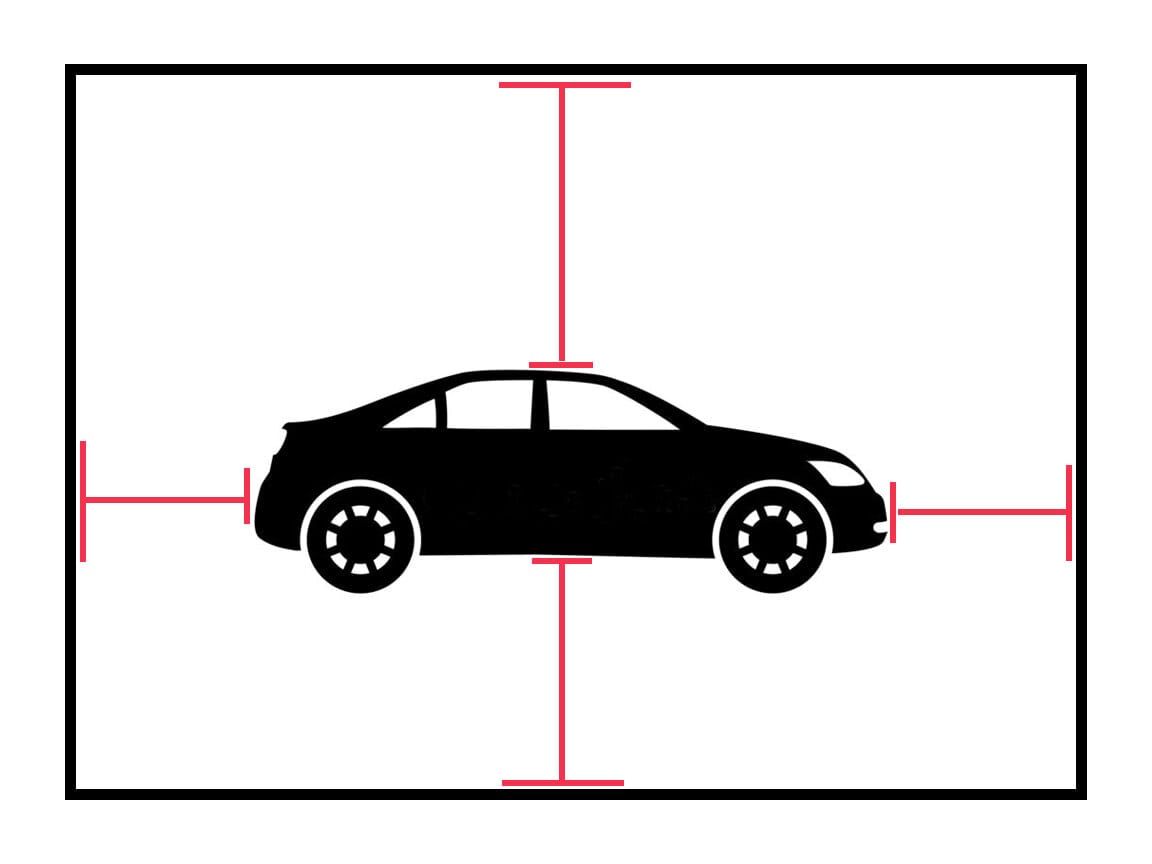
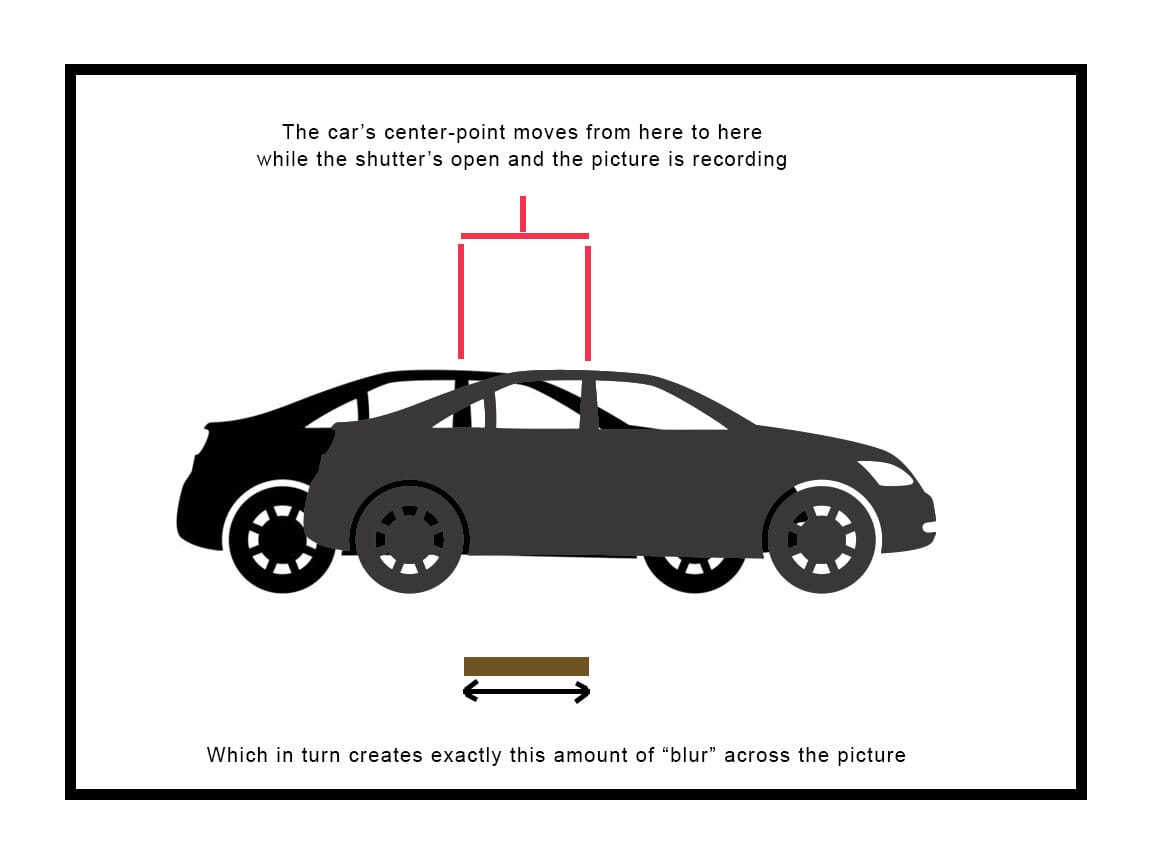
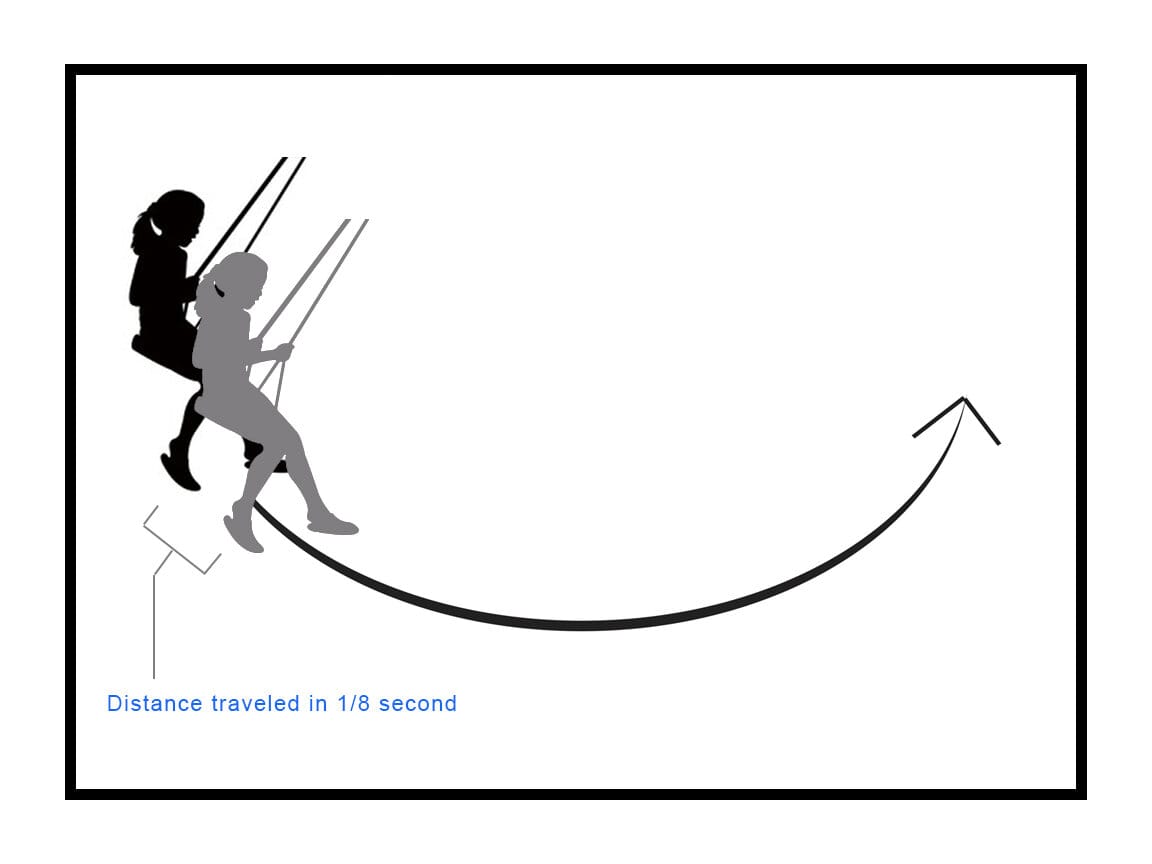
2) And an animation that depicts distance traveled across the frame, in which I explain what "moti0n blur" really is......that it's the precise distance a car travels across the frame in the time that the picture is exposing, which will correlate to the percentage of the frame across which the car has actually exposed.....therefore the car appears to have "blurred" that exact amount. :
3) Distance to the lens, and how it influences strategy shifts:
Here we can animate two cars both going 45mph, but we can depict that the near car crosses the frame in a fraction of a second, while the farther car crosses the frame over the course of maybe two seconds.
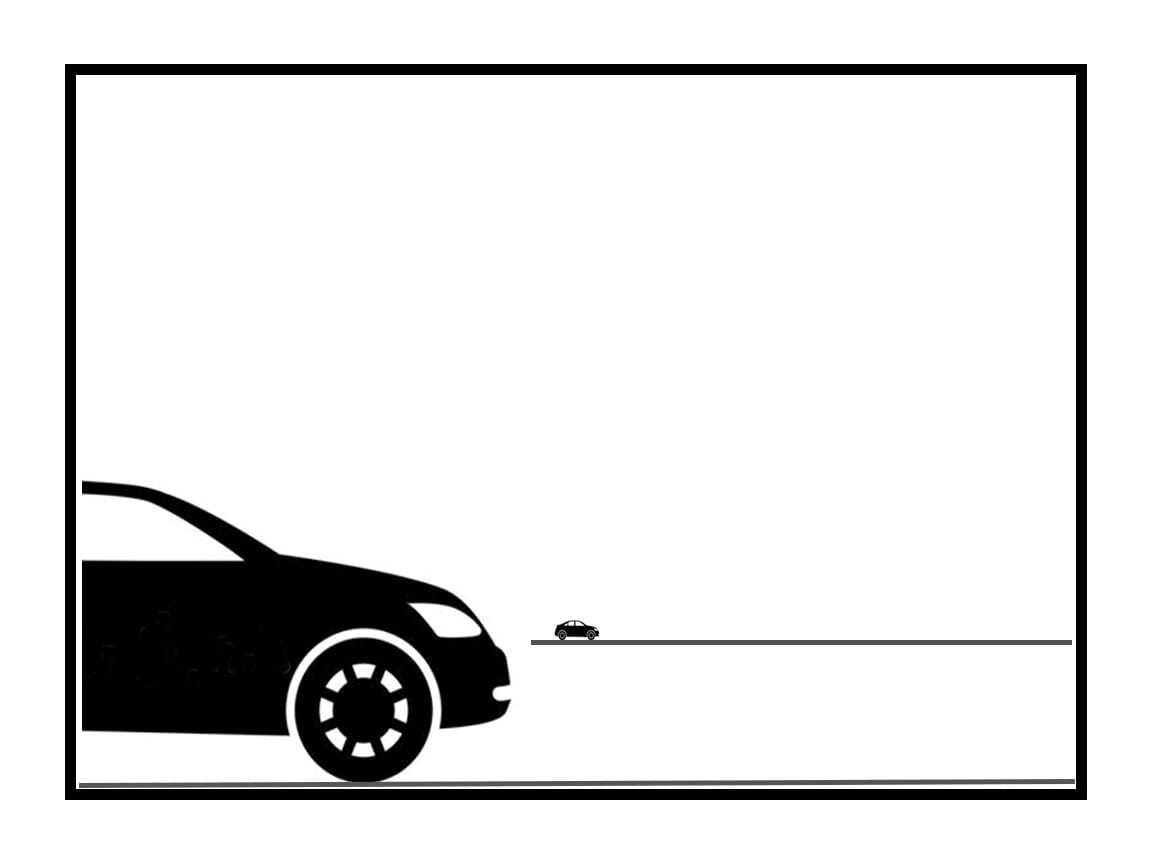
4) Angle of movement relative to the position of the lens:
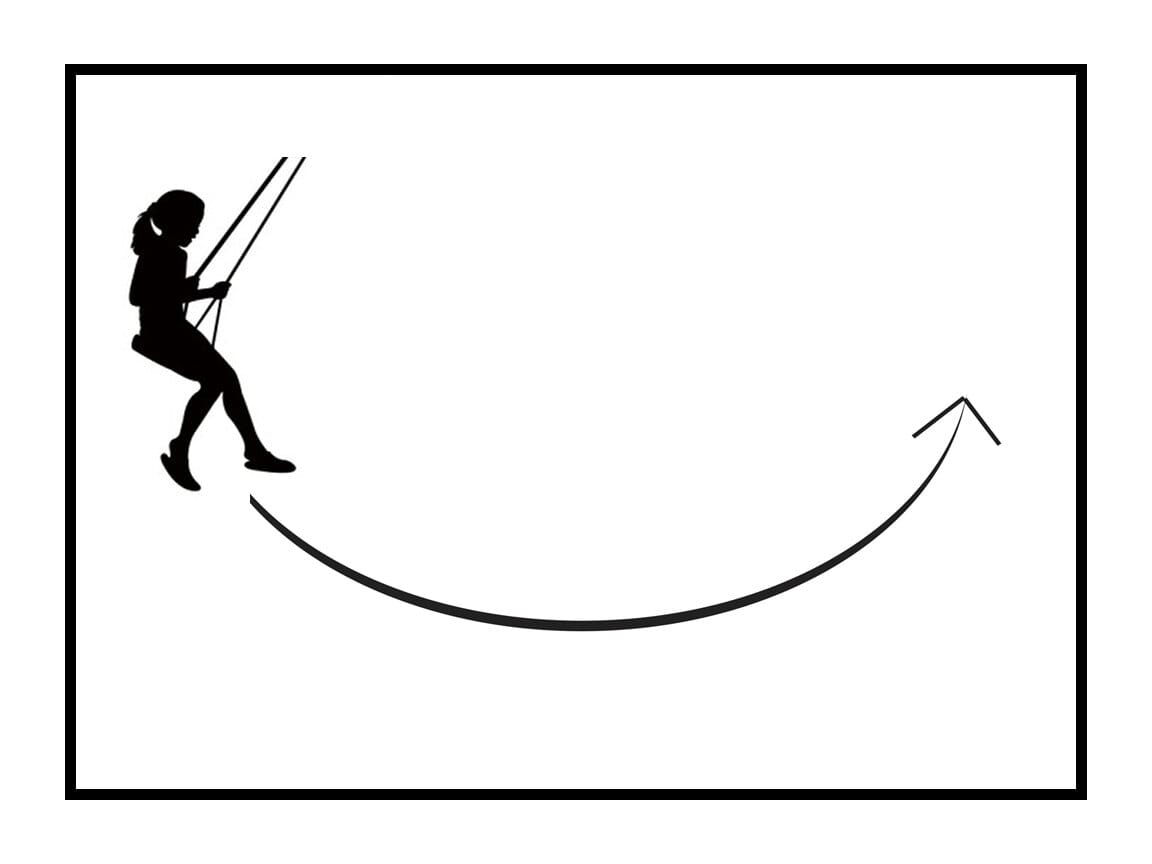
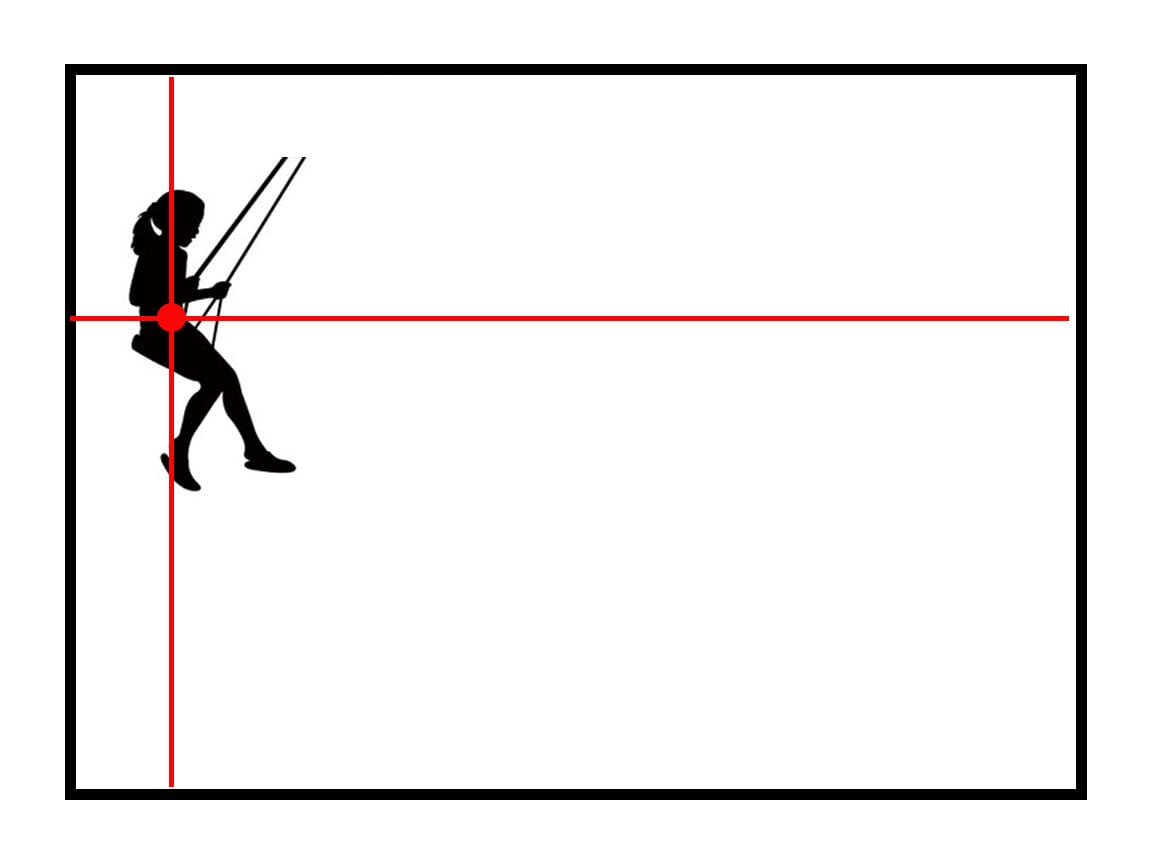
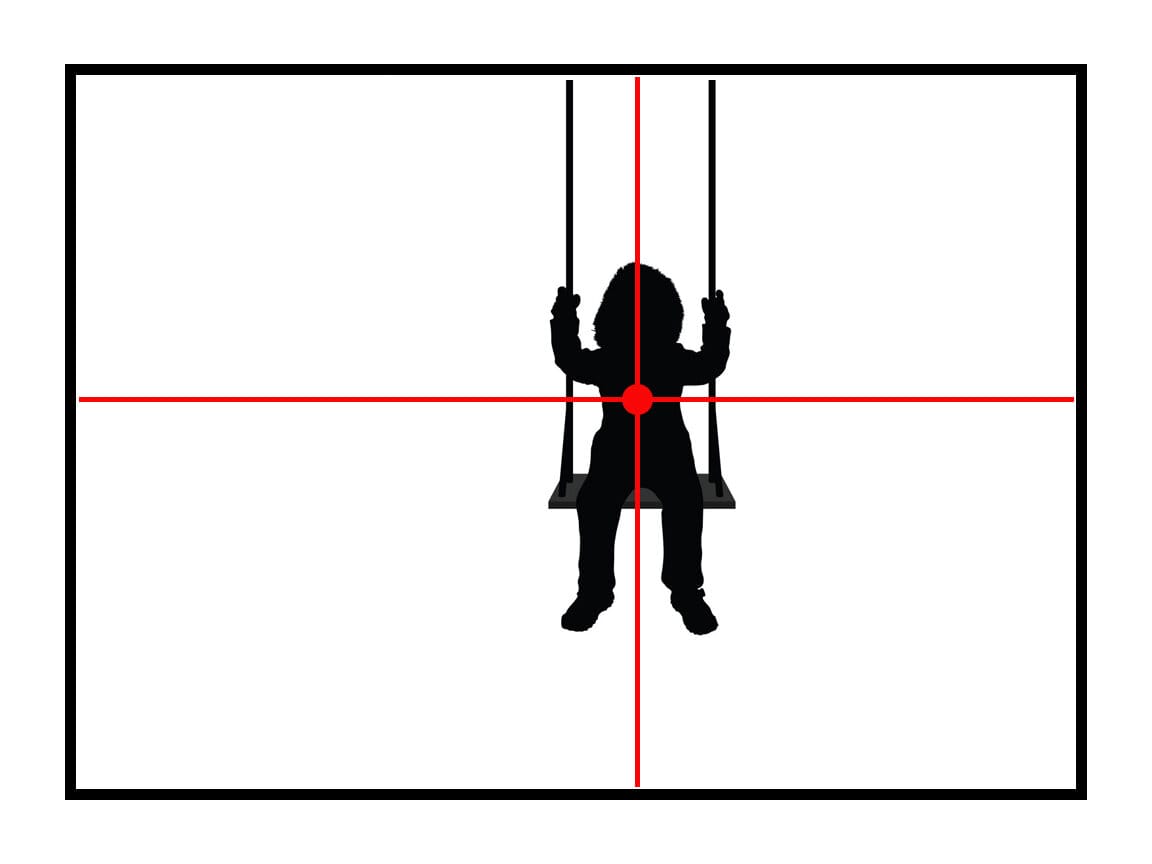
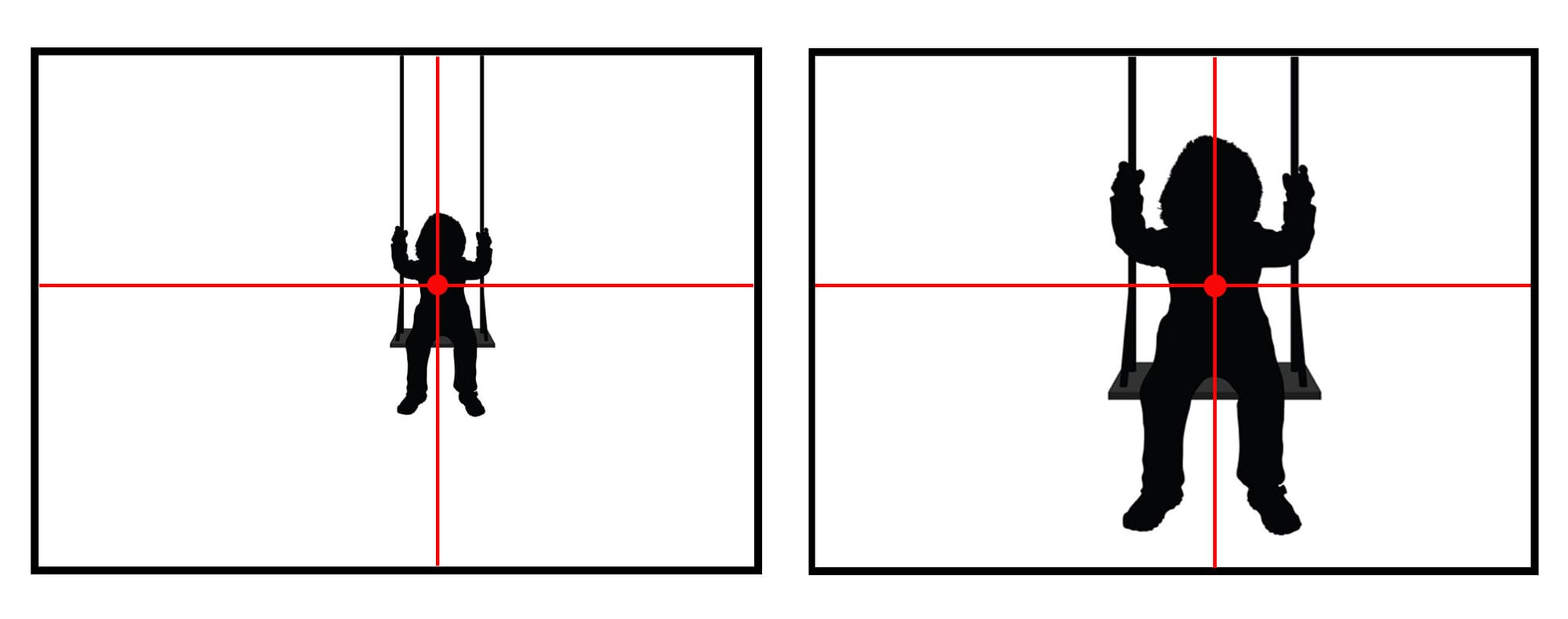
Swingset going left to right along the X/Y axis vs a swingset coming toward us along the Z axis. Illustrating how one method allows the subject to expose in different parts of the frame while the other method foreces the subject to maintain the same position in the frame.
Space:
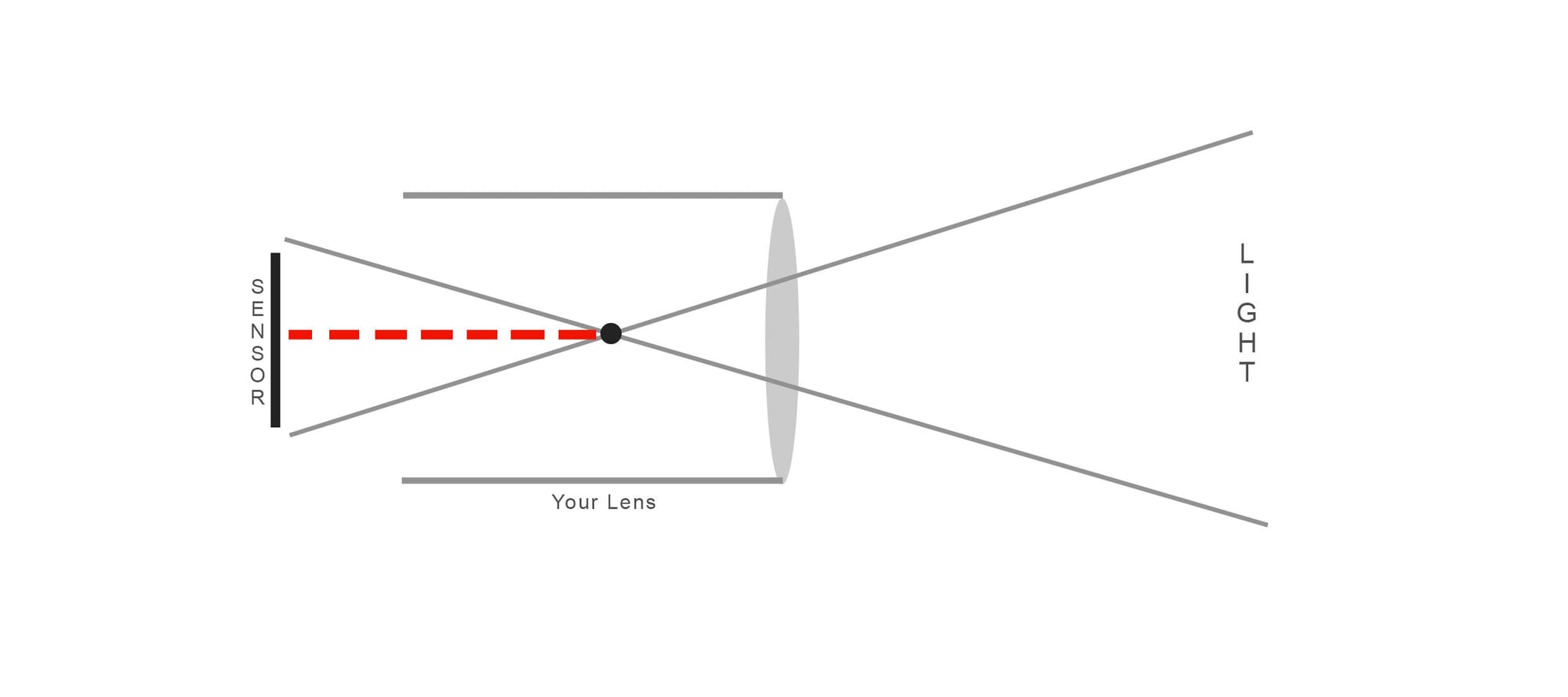
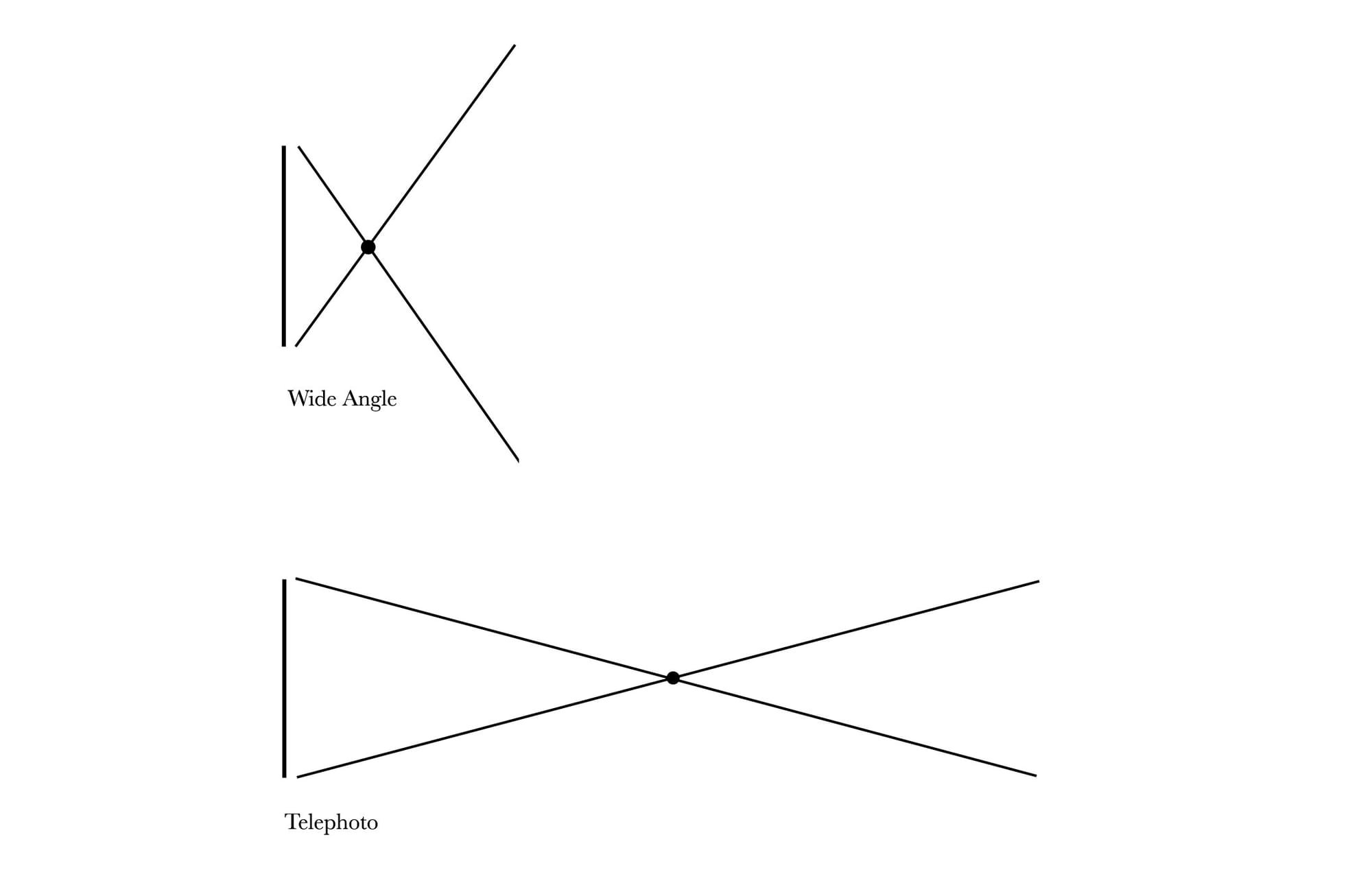
1). What even is a focal length, and why are shorter lenses "wide" and long lenses "narrow?"
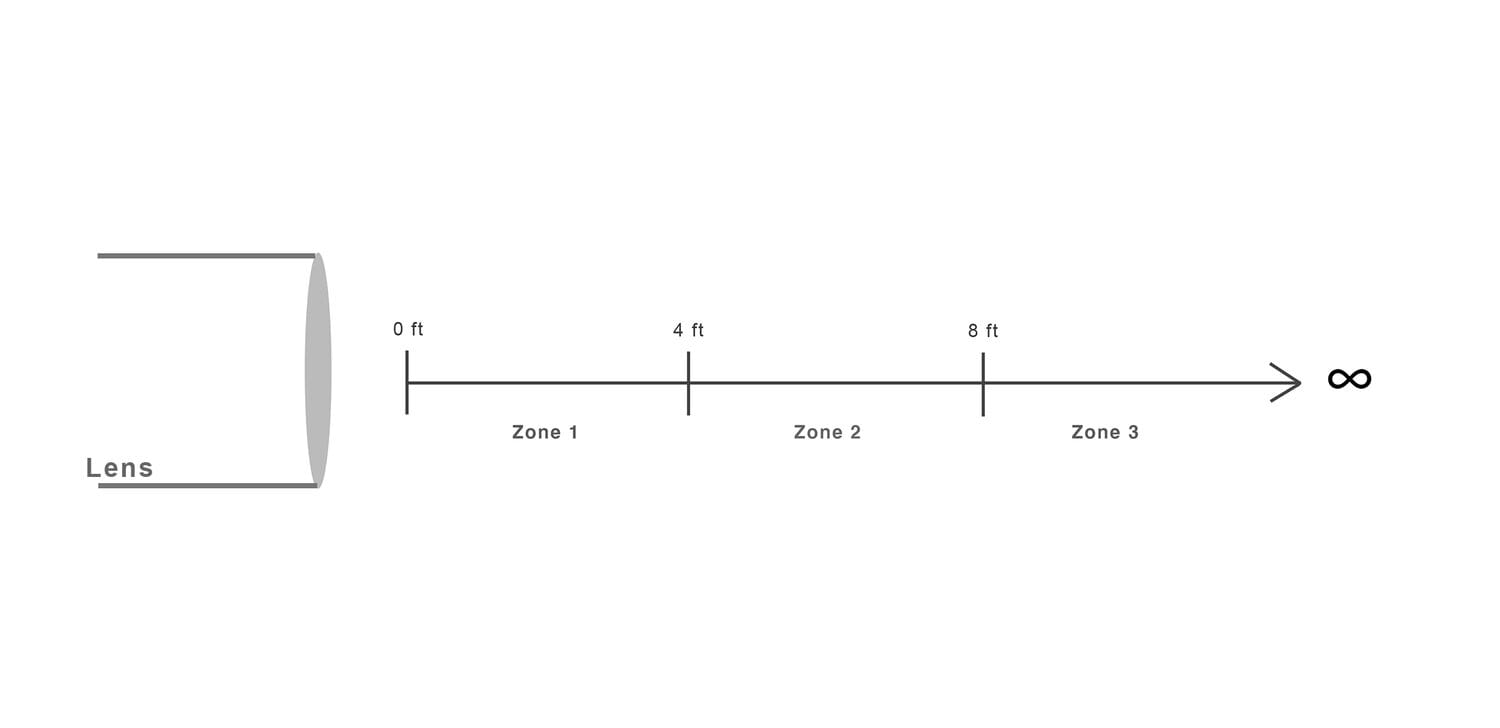
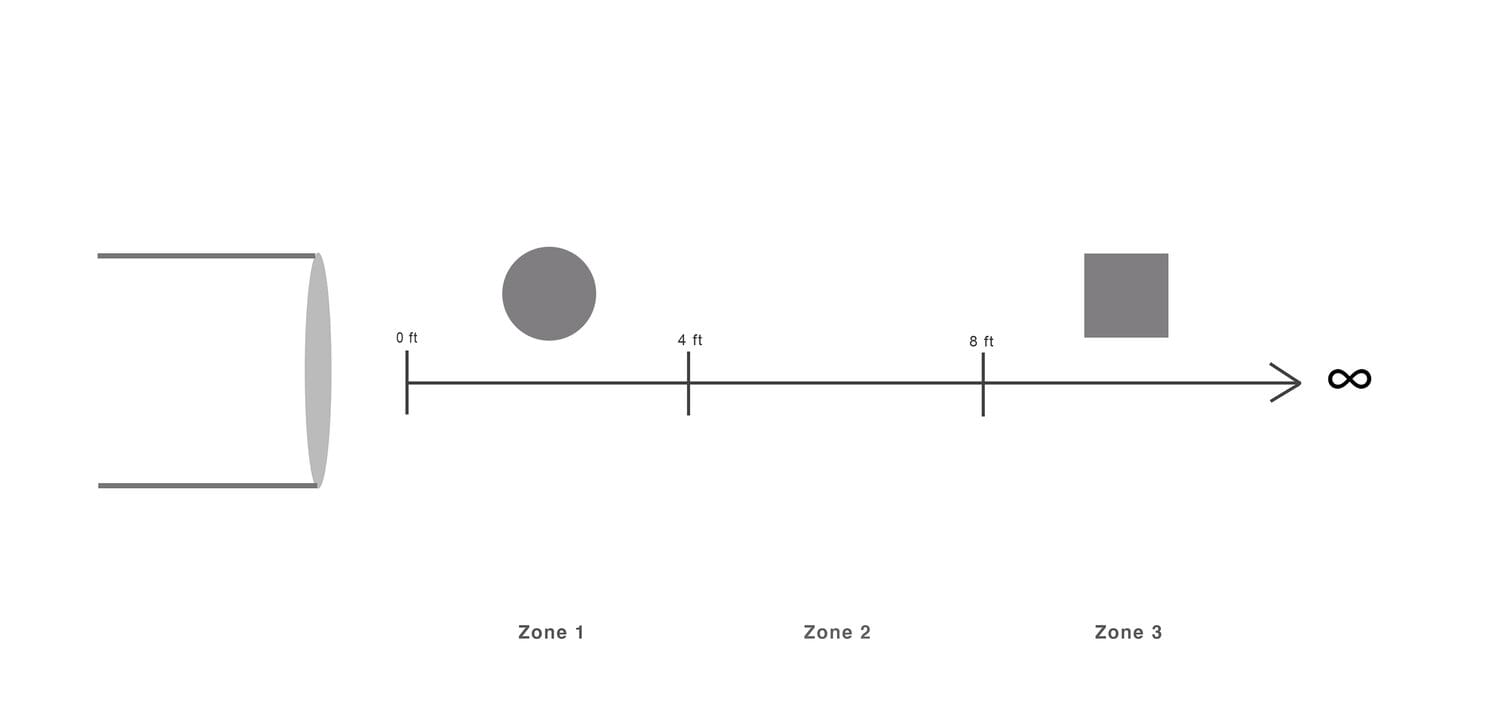
2). Definitely going to need a simple animation for my "Zone System of Space." THis one can be a lot like the aperture/shutter one we started with. It just needs to swap our different relationships – Zone 1 paired with Zone 3 vs Zone 2 paired with Zone 3 etc.
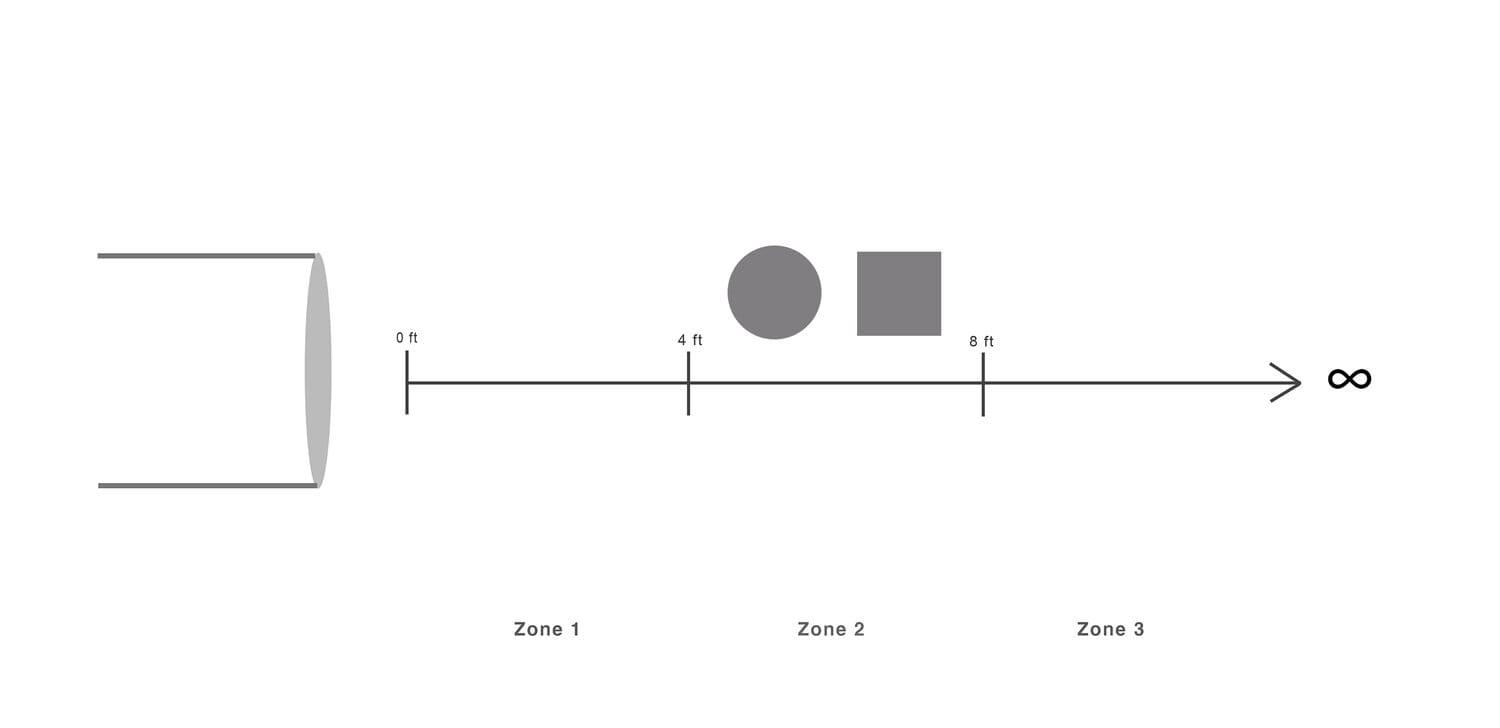
Light:
1). Probably going to need a very simplistic basic grayscale, where different shades of gray can be highlighted:

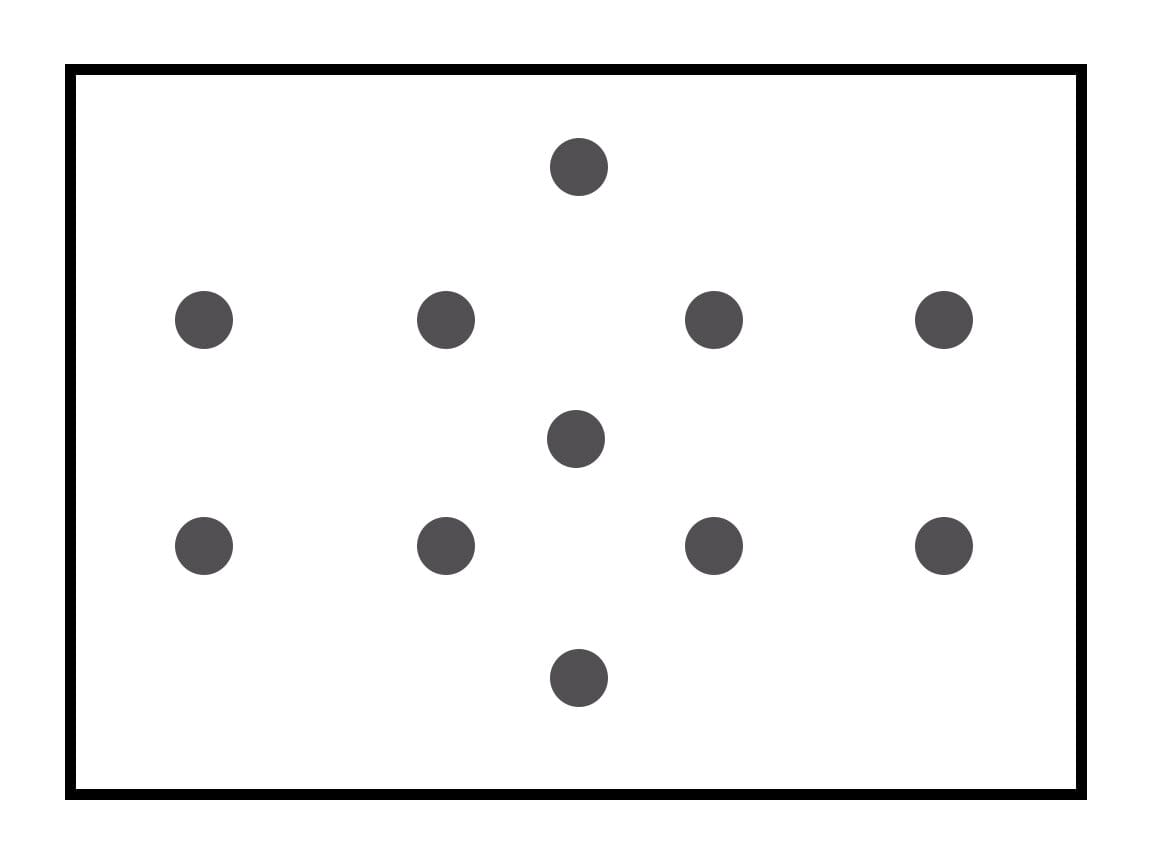
2). Probably need one to explain the deficiencies of how "evaluative" metering constantly needs to be corrected. I'm imagining something like this diagram overlaid on a real photograph and it can explain how the camera's programming is trying to guess at what you want to expose. So we can highlight the dots (in red) that are corresponding to which part of the scene the camera was trying to expose for: